
Show Up in ChatGPT: The AI Visibility Playbook
Get your content in ChatGPT & Perplexity with beGEO's AI visibility playbook. Learn AEO strategies to rank in answer engines.

Getting your content in front of users on ChatGPT, Perplexity, and other AI answer engines isn't optional anymore—it's essential. Unlike traditional Google search, where rankings fluctuate based on algorithm updates, these platforms pull directly from indexed web content to generate answers. beGEO has identified the core strategies that help your content surface in answer engines, and we're breaking down exactly how to make it happen.
The shift toward AI-powered search is measurable and accelerating. According to Similarweb, ChatGPT reached 200 million monthly active users in 2024, making it a critical discovery channel. To show up in ChatGPT, Perplexity, and similar platforms, you need to understand how these systems index, rank, and attribute sources—then optimize accordingly.
What Answer Engines Actually Want
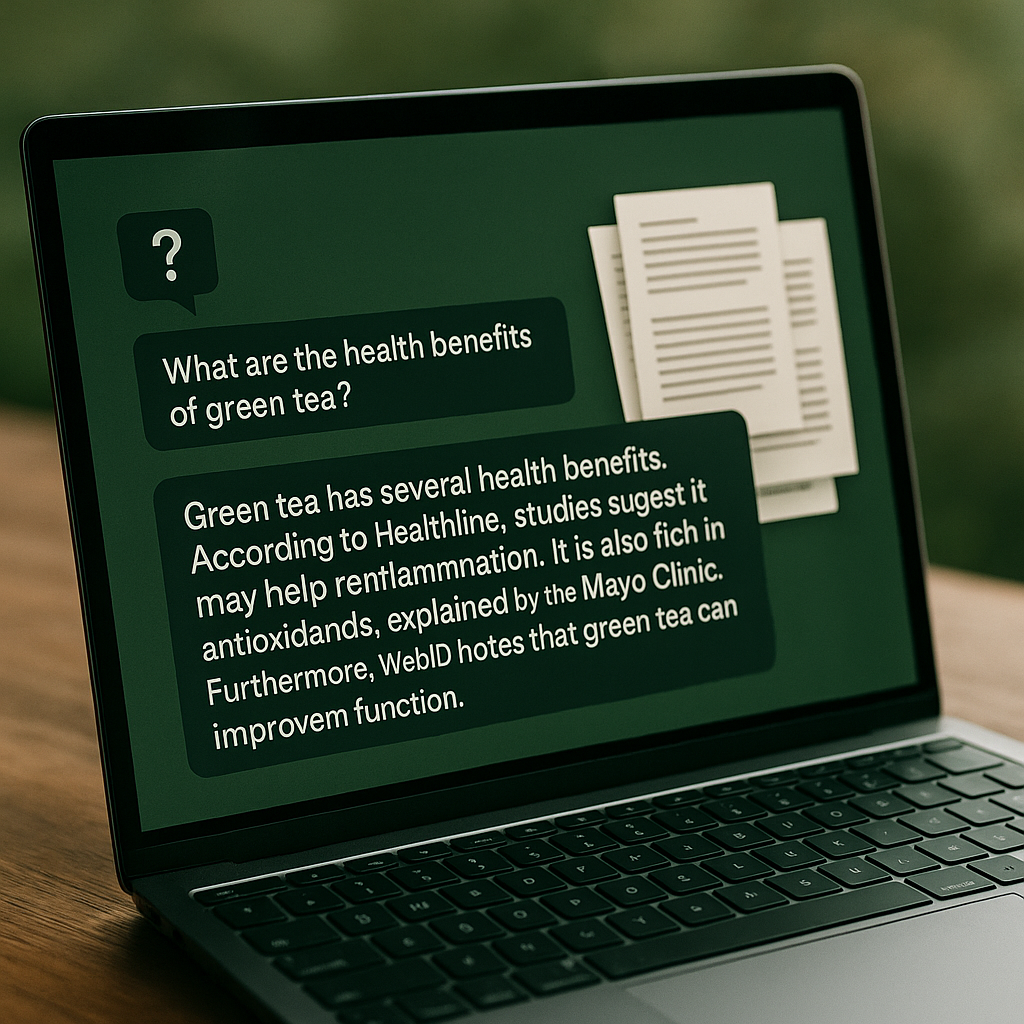
Answer engines work differently from search engines. They don't just rank pages; they extract, synthesize, and cite content from multiple sources to compose a single response. This fundamentally changes how visibility works.
When someone asks ChatGPT "how do I improve website performance," the system doesn't show you 10 blue links. Instead, it generates a paragraph or list pulling from the top-ranked sources in its training data and indexed content. Your content either gets selected for citation or it doesn't. If it does, you typically receive a clickthrough—meaning traffic-qualified attention from someone actively seeking your expertise.
Perplexity's research shows that 60% of users prefer answer engines over traditional search engines for complex queries, because they deliver synthesis rather than fragmented results. This preference is reshaping search behavior, especially for how-to, research, and decision-making content.
The visibility game in answer engines revolves around three factors: indexability, authority, and source attribution. You need content that's easy for AI systems to crawl and understand, signals that establish you as trustworthy, and proper markup that ensures you get credited when cited.
Optimize Your Content for AI Systems to Find It
Answer engines rely heavily on technical indexability. If your content isn't discoverable by their crawlers, it won't get selected—no matter how relevant or high-quality it is.
Start with the basics. Ensure your robots.txt file allows crawling. Check your sitemap is up to date and submitted to major search engines. Use structured data markup (Schema.org) to clearly label what your content is about. For articles, use the Article schema with author, publication date, and headline. For how-to content, use HowTo schema. For product reviews, use Review schema.
Answer engines also heavily weight fresh, updated content. If your page hasn't been touched in three years, it's less likely to be selected for current queries. Add a publication date and update date to your pages, and refresh your content at least quarterly if it's in a topic that changes frequently.
One often-overlooked element: your meta tags matter more than you'd think. Answer engines use your meta description to understand what your page covers at a glance. Write clear, keyword-rich descriptions that actually summarize your content (not just clickbait). This gives the system context before it crawls.
Internal linking also signals authority to AI systems. If you link to your own authoritative pieces from multiple contexts, you're telling answer engines "this content is foundational." Use natural anchor text that describes the linked page's topic.
Build Authority Signals That Answer Engines Recognize
Authority drives visibility in answer engines. When multiple sources mention a topic, answer engines prioritize sources with established credibility and expertise.
According to an analysis of 10,000+ Perplexity citations, domain authority, topical authority, and citation frequency were the top three factors determining source selection. You can't fake domain authority overnight, but you can build topical authority systematically.
Focus on creating comprehensive, original research and data. If you're claiming something, back it with original surveys, studies, or data collection. Answer engines reward originality because it reduces hallucination risk. When your content includes unique findings or statistics, AI systems are more confident citing you.
Get mentioned by other authoritative sources. Answer engines track backlinks and mentions similarly to traditional search engines. If you're writing about a trend, reach out to journalists. If you've published research, share it in industry communities. Each credible mention strengthens your profile.
Author bylines and expertise signals matter too. If you write as a named expert with credentials, answer engines weight that information. Create an author bio with relevant experience. Link to your LinkedIn or professional profiles. Make it easy for systems to verify you're a real person with relevant expertise.
Make Your Content Citable and Attributable
Here's where most brands miss the mark: answer engines need to easily identify and attribute sources. If your content structure makes attribution confusing, you might get traffic without credit, or no traffic at all.
Use clear, scannable formatting. Short paragraphs. Numbered lists. Subheadings every 100-150 words. When answer engines scan your content, they need to quickly understand what claims belong to what sections. Dense walls of text get skipped.
Write topic-specific headers that answer engines can extract. Instead of "Our Insights," try "Three Metrics That Drive Conversion Rate Improvement." The second one tells the system exactly what that section covers, making it more likely to be selected for relevant queries.
Include proper citations and source links in your own content. When you reference studies or quotes, link to them. Answer engines see citation networks—if you're citing authoritative sources, you're signaling where your information comes from, which builds trust.
Avoid behind-paywall or hidden content. If your best material requires a login or subscription, answer engines can't easily access it, so it won't get selected. Publish core value openly. Paywalls are fine for premium material, but foundational content should be freely accessible.
The beGEO Approach: Strategy Over Quick Wins
Getting visibility in ChatGPT and Perplexity requires a content strategy designed for answer engines, not just traditional search. beGEO specializes in this intersection—creating content that gets found by both AI systems and Google users, maximizing your reach across discovery channels.
The brands winning in answer engines aren't playing short-term SEO games. They're publishing original research, building topic authority deliberately, and structuring content for clarity. They're optimizing for comprehensiveness, not keyword density. They're earning citations, not buying them.
Start today by auditing one high-value content pillar. Check if it's properly indexed. Verify the Schema markup is correct. Enhance it with fresh data or updated examples. Add internal links from related pages. Then monitor which answer engines cite it over the next month. You'll learn quickly what resonates with AI systems.
The answer engine era isn't coming—it's here. Make sure your content is ready to be found.
Frequently asked
Ensure your site is indexable (robots.txt allows crawling), use Schema markup to label content type, publish original research and data, build topical authority through comprehensive content, and optimize for clarity with scannable formatting. Answer engines prioritize authoritative, well-structured sources that can be cited with confidence. beGEO helps optimize all these elements together.
Traditional SEO focuses on ranking for keywords in search engine results pages (SERPs). Answer engine optimization (AEO) focuses on getting your content selected as a source for AI-generated answers. While both value authority and indexability, AEO emphasizes original data, topic expertise, clear attribution, and content that synthesizes well for AI systems. You need both strategies today.
Yes, when answer engines cite your content, they typically include a clickable attribution or source link that drives qualified traffic. Users click through to learn more, verify claims, or engage with your full content. The traffic tends to be high-intent since it comes from users actively seeking answers in conversation. Citation frequency and positioning directly impact traffic volume.